

Bilal Saqib
Producer || January 2025-Present || 1.5 Years || Team Size: 12 || Steam || Todd's Team
Producer
-
Created game builds and presentation materials for mentor reviews with Iron Galaxy, incorporating feedback into development.
-
Led weekly team meetings and organized playtesting sessions to assess progress and gather feedback.
-
Performed QA testing and logged issues to support iteration and improve game stability.
-
Managed task tracking and team coordination using project management tools like Trello or Jira to ensure steady progress.
-
Monitored and adjusted project scope to keep development focused and on schedule.
Prototype Phase
Kick Off
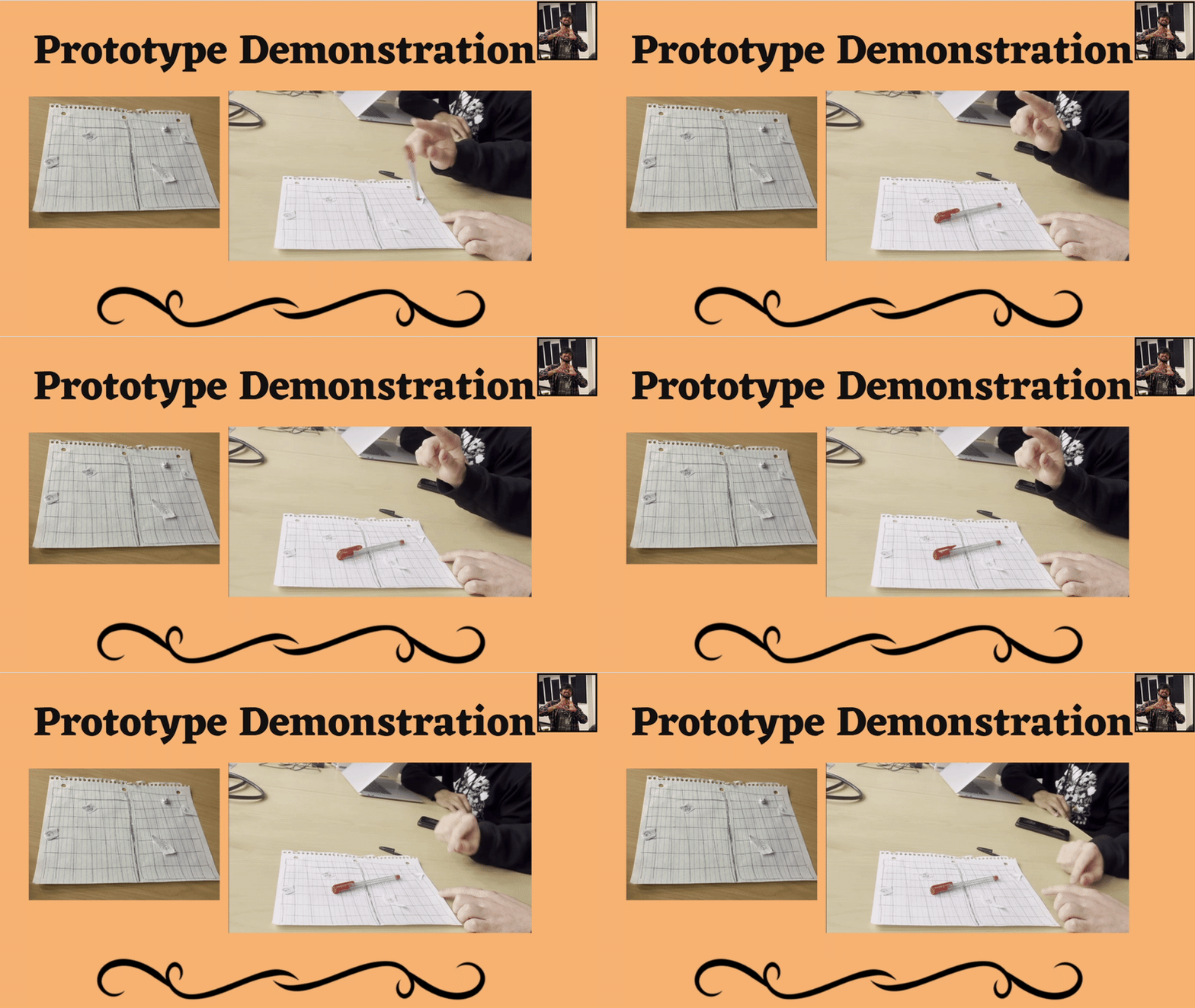
Volley Guns development started off as a paper prototype. We used a piece of paper, a pen, and some dice. We created the rules of the game and had a blast with it. We had crazy moments, lots of variables to tweak, and many ideas. We eventually pitched this game to our mentors Iron Galaxy. We got to work with Iron Galaxy through our program at MSU. They served as our clients for the entirety of the project and provided feedback and critique. I created a presentation and worked with the team to accurately present our ideas. They approved of the idea and we got to work.
My first steps was to establish a clear way of distributing tasks. I created a Jira and set up sprints that had major goals for the project. I made sure to keep the scope of the project manageable and that expectations were clear for our entire time line. With that created we had a strong start going into the production phase.
Production
With the greenlight for the game, we started development with a focus on documentation. Any mechanics that were approved would need to be documented and reviewed by other team members as well. This created a strong foundation and kept the vision of the game clear. Each week we presented our progress to Iron Galaxy and we took their feedback and implemented it. We had 5 major sprints ~ Preproduction, Production, Alpha, Beta, Final.
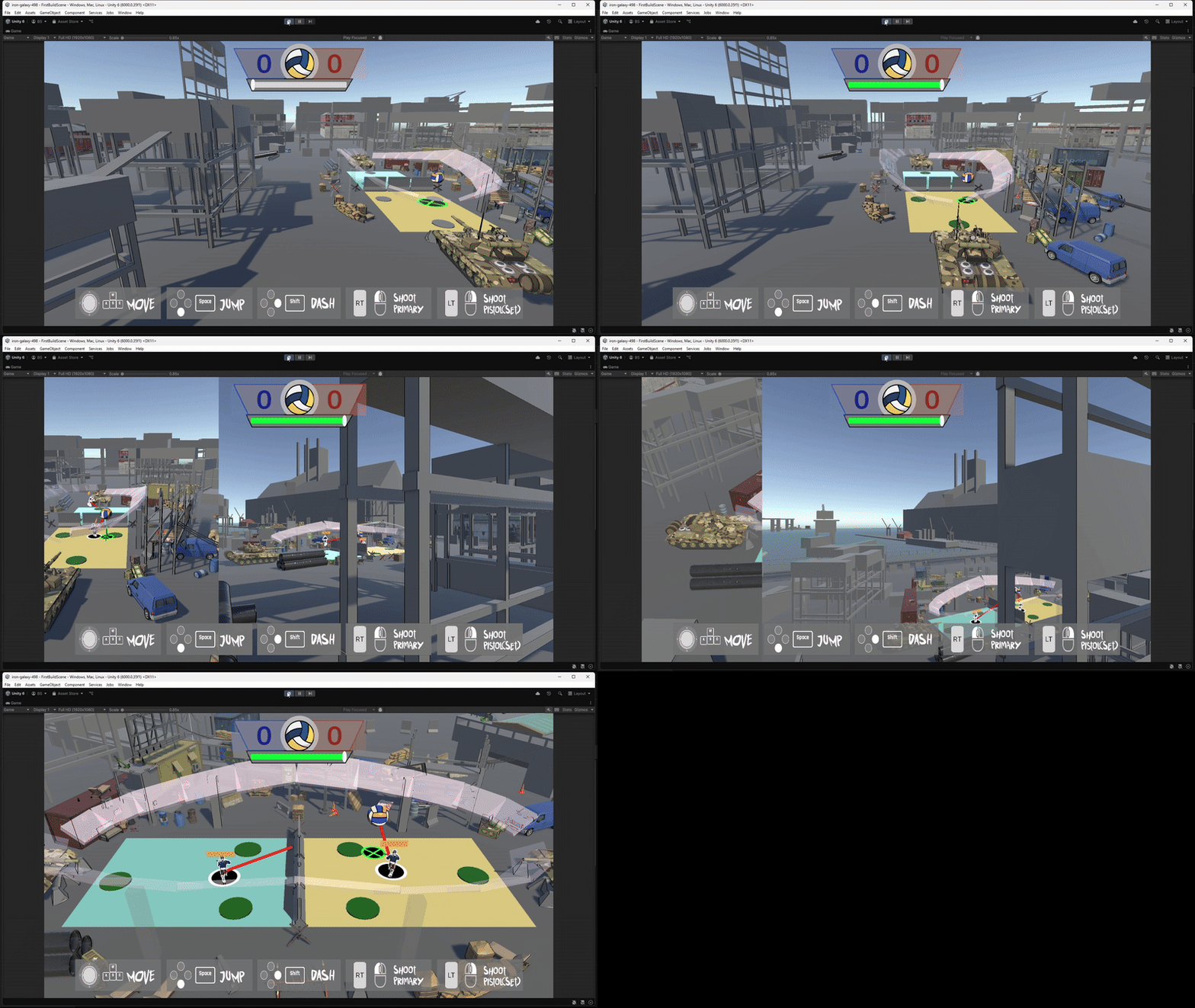
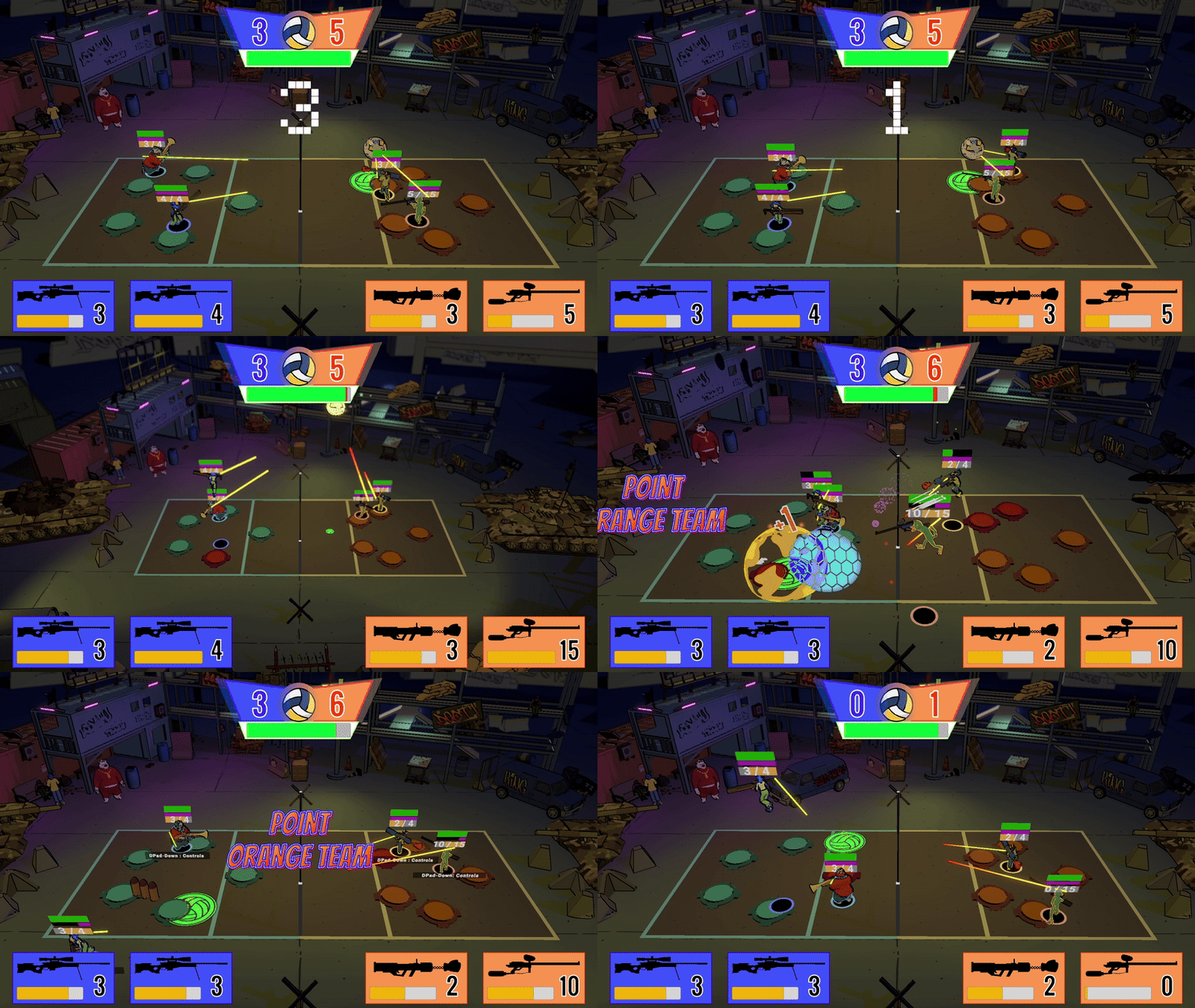
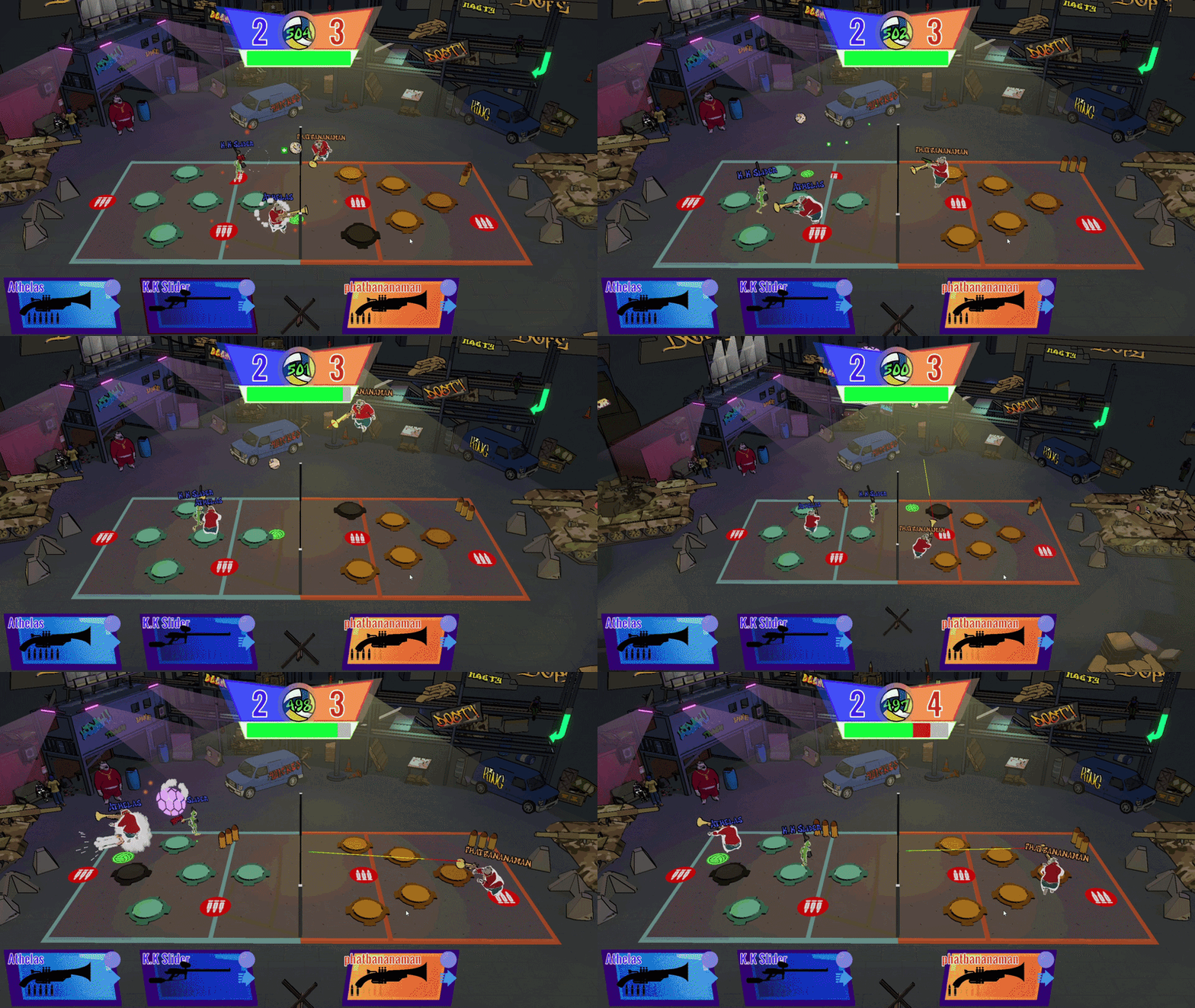
During Production we had one main objective. Create a working prototype. This meant focusing on the design and programming sides while keeping art and audio in the loop to make sure they do not fall behind. After 2 weeks we successfully created a working prototype with local multiplayer. This helped us convey the general idea of our game and let us hold our first playtests. We quickly figured out that we would be adjusting the values of the weapon damage and ball bounciness very often.

Alpha
For our Alpha we needed to get more of our core concepts into the game. This included UI, environment art, weapons, and formations. Many of these ideas were critical for our game to succeed. I started the new sprint in the Jira and we began working on all the tasks. During this time I held multiple playtests to gather information as well. Getting the information from playtests, Iron Galaxy's feedback, internal playtesting and putting that onto the Jira was crucial to get the game to feel good.

Playtesting
During this time I also ran some playtests to gather more initial impression on the game. One of the biggest problems I witnessed was the skill floor was too high. Players were having issues keeping a rally going for a long time. It took players an average of two games to get a good handle on the game. With this news in hand I held a meeting with the designers to discuss the issues.


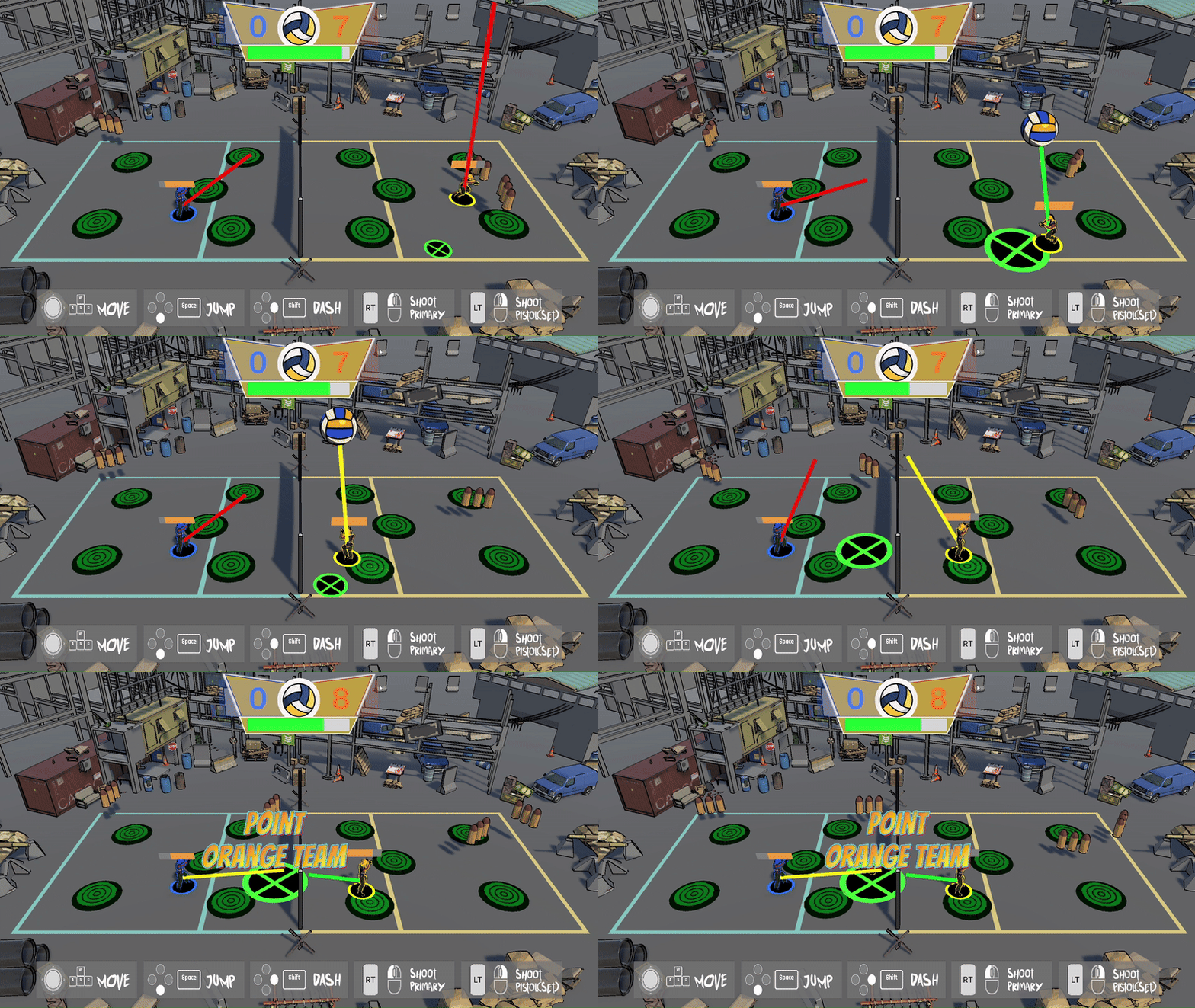
We were also having issues with players not being able to see where they are on screen. I brought this up with the art team and we discused multiple different approaches on how this could be solved. After experimentation, we landed on creating a outline shader to highlight where players would be.
Beta
After our alpha sprint we had our main mechanics finished. Our primary goal from here was too add in our secondary mechanics and bug fix. Our secondary mechanics included adding more cinematics, adding a replay camera, adding a timeout system, emotes, and adding dynamic music.
Onboarding - New SFX Designer
At the beginning of the sprint we onboarded a new sound effects designer. My first action was helping them familiarize themselves with the project. I set up a group playtest with the design team and audio lead and we explained the sound scape and design decisions. We also gave them a run through of our documentation and presentations as well. At the end of the onboarding process, we held a Q&A session and made sure they were on the same page as the rest of the team.

Cut Mechanics
During this sprint I took a step back and reevaluated our time line. There were multiple mechanics that were being worked on that were not necessary to the success of the game. I set up meetings with the designer of each of these mechanics and we refocused our efforts into more useful parts of the project. We were also able to repurpose parts of these mechanics to strengthen other aspects of our game.
End of Preproduction
During our final sprint our only goal was to polish and add flair. All mechanics were finalized and we needed add finalized art assets and audio assets in. We also needed to create a poster and trailer to help market the game.
Production Phase
Start of Production
This project started off as a class project with an initial scope of four months. Once the class ended, the team still had a lot of passion for the project and wanted to continue on to a steam release. We were very excited and started planning what features we wanted to create. However, truthfully, there were a lot of problems lying ahead. This production phase lasted roughly one year.
Decisions
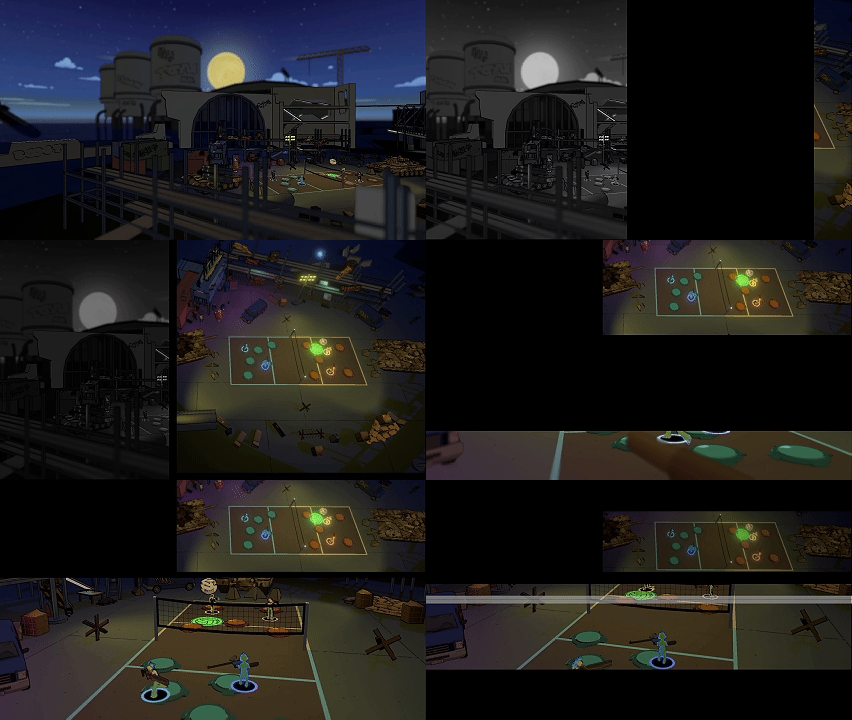
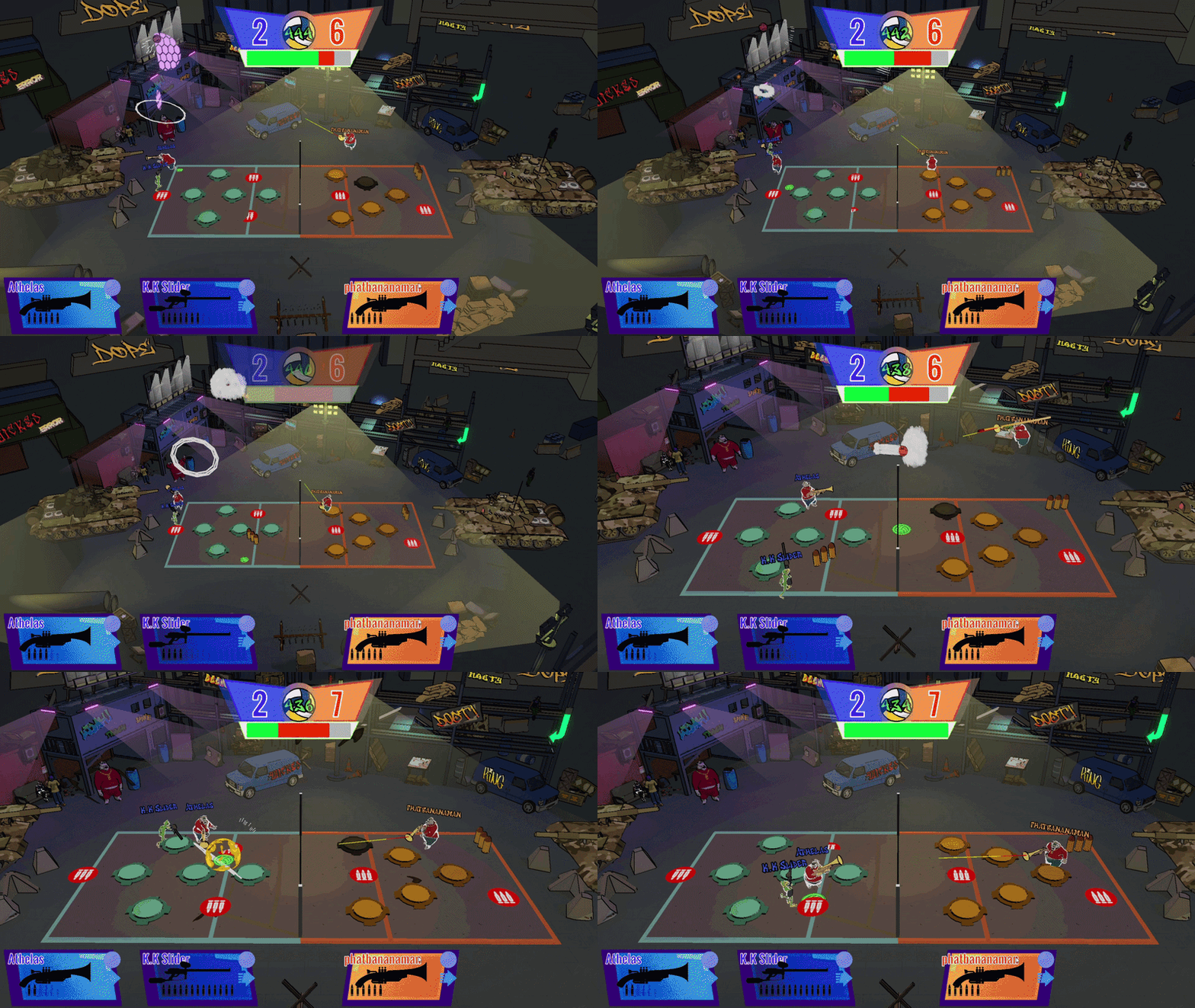
The first big topic was what we should add for the full release: multiplayer, a solo mode, items, more characters, and additional maps were all on the table. But first, we needed to reassess the team's strengths. We also lost two team members due to personal reasons, so we needed to either work with what we had or find a few new members. In the end, we decided to focus mostly on multiplayer and added three new members to round out the team.
Challenge one: Technical debt
While we were eager to work on the game, we created a full project in just four months and took many shortcuts to make it possible. A lot of the infrastructure was designed for four-player local gameplay on one map. Shortcuts, such as having every character on one game object and disabling those not in use, or having one cutscene always play at the start of the map, took a considerable amount of time to change. Truthfully, if I could go back, I would have created a new project at this point and remade the game from scratch. It would have made the following year a lot easier, but in the end, we still got the game to the finish line.
Multiplayer
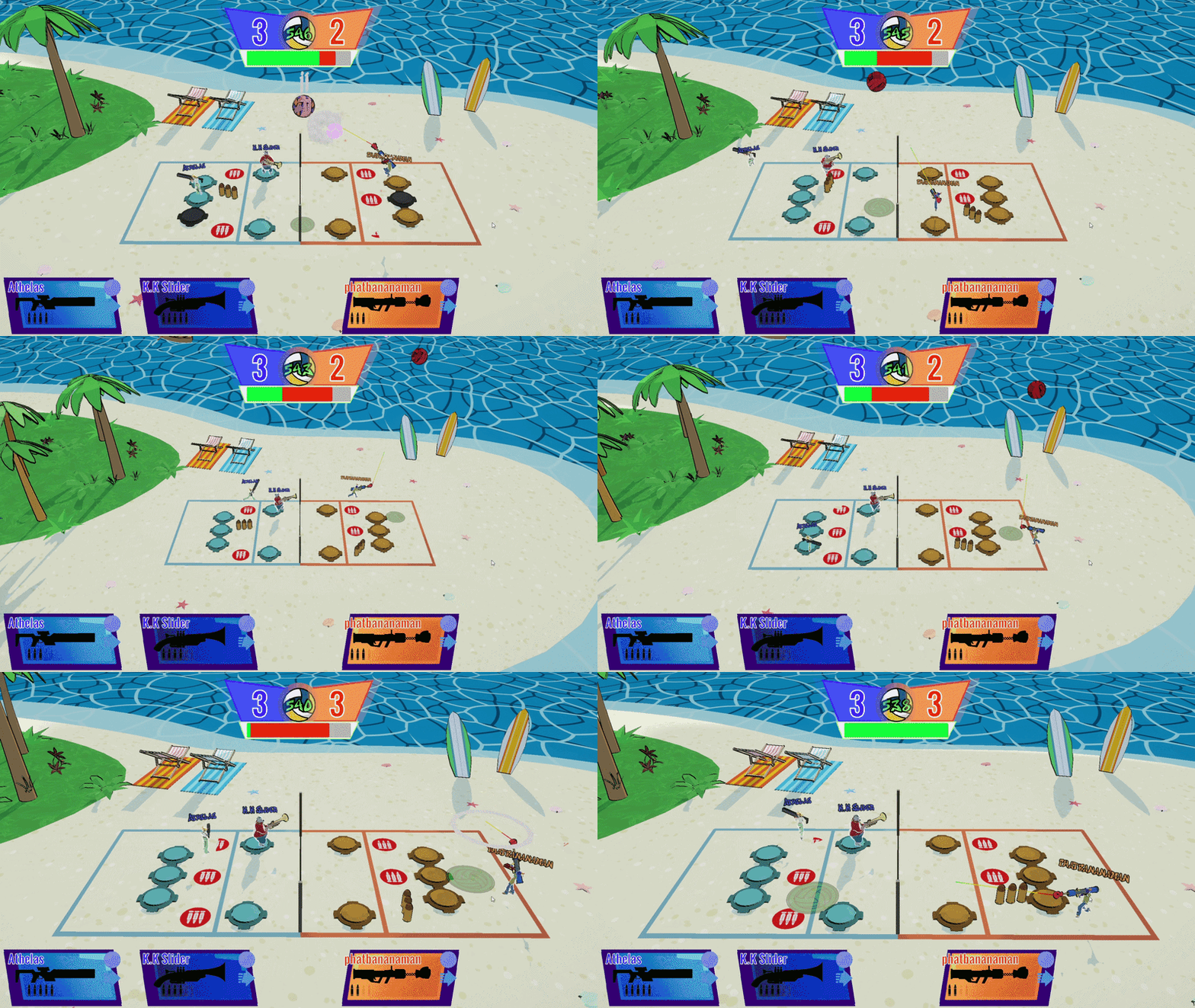
The biggest challenge in making this game a Steam release was creating a networked build for people to play online. One of the new members we onboarded became our lead networking engineer. In less than a month, we had a playable version, and in three months, we had a solid build for playtesting. We spent countless nights testing what worked and what didn’t, addressing desyncs, host-client differences, many other bugs. Although it took a while, we were able to create a really good version of the game, which, in some ways, was even better than the local version. A lot of code was cleaned up, and certain options could be enabled or disabled for players with their own screens (screen shake, camera preferences, certain UI elements). Once we set up the Steam page, linking the game with the Steam ID and Spacewar went pretty smoothly. While there are still some bugs, the online version is one of the features I am proud to say is in the game.
Challenge Two: Knowledge Silo
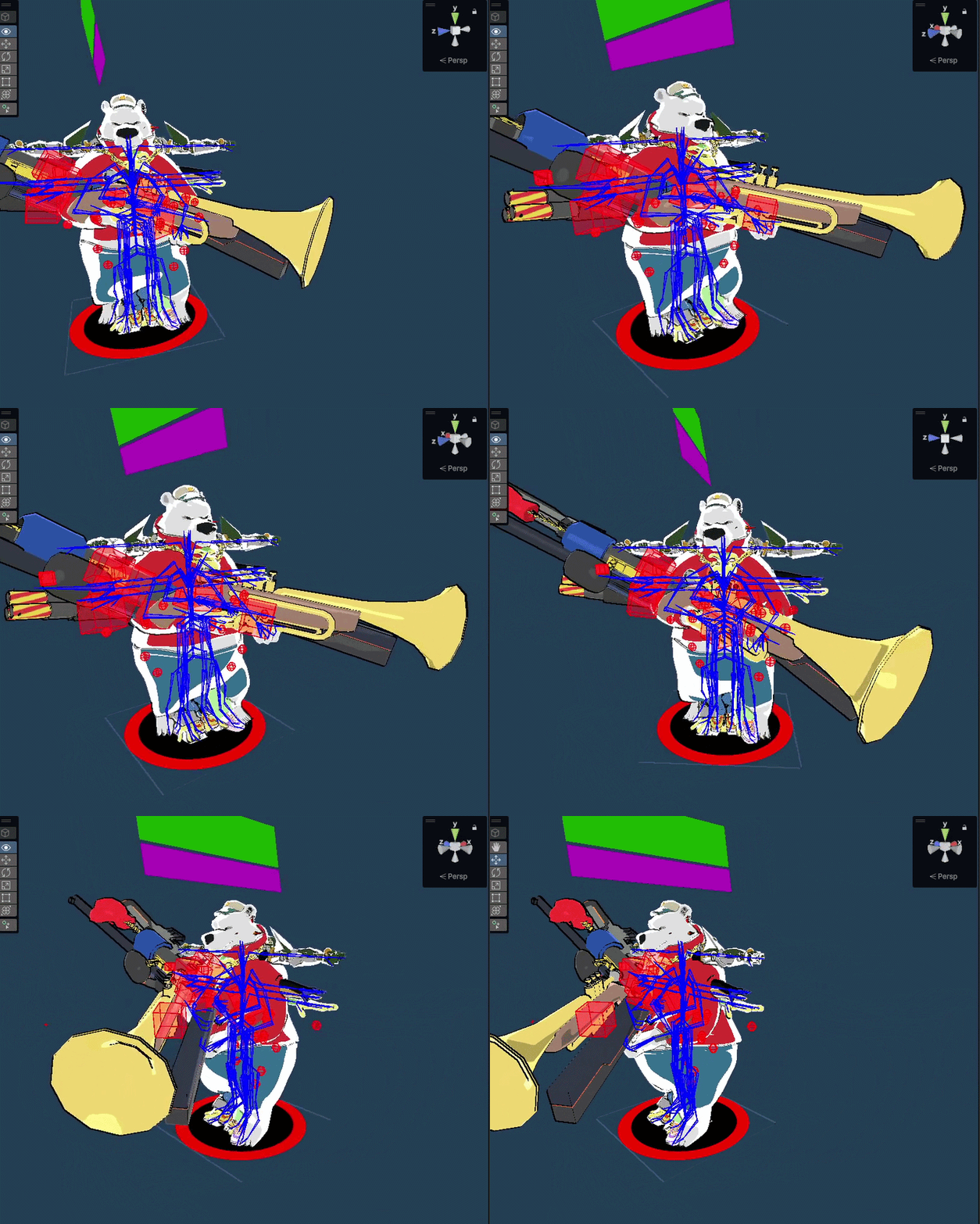
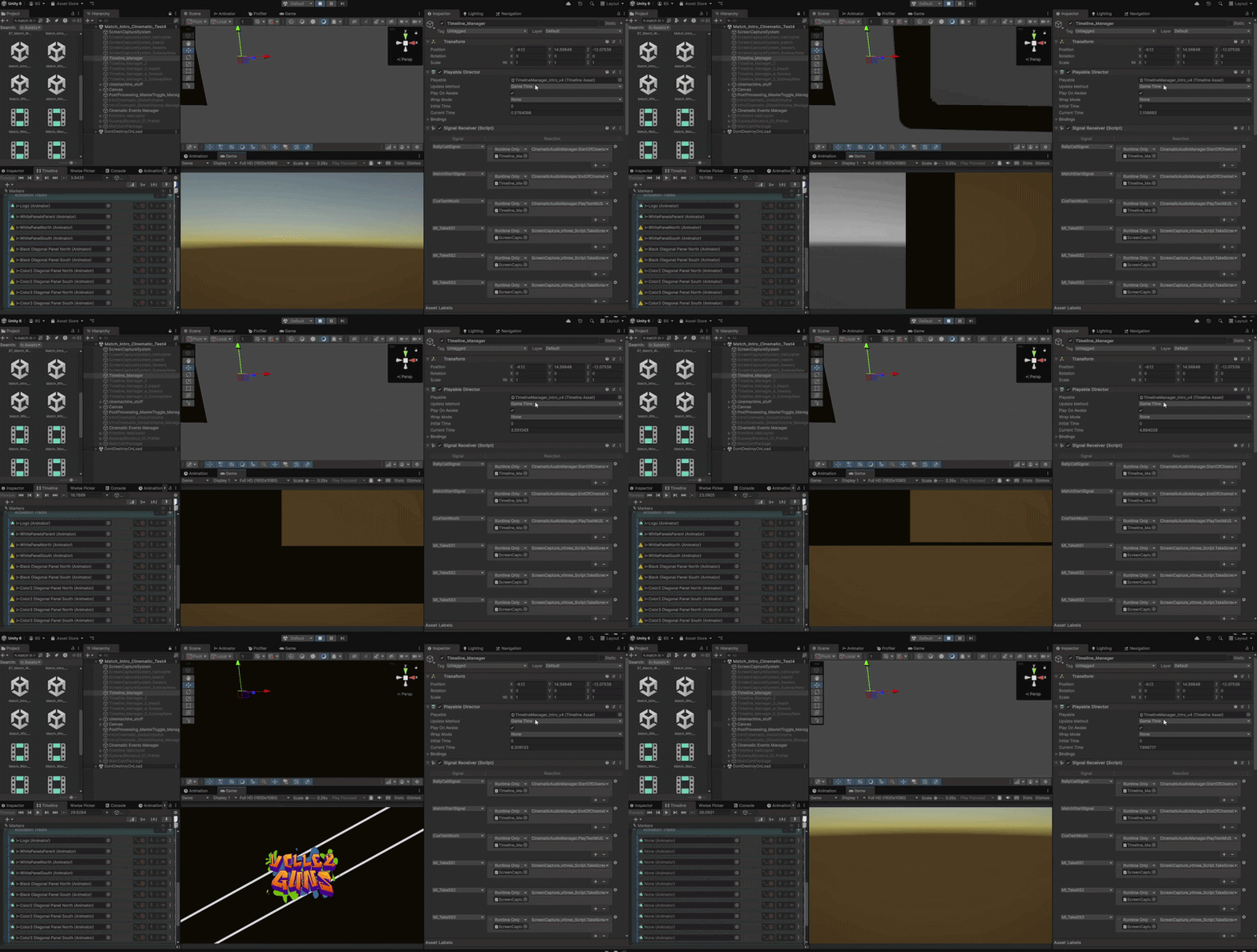
During preproduction, we had a few team members in charge of specific features. When these team members left the project, their systems and code became our problems. This left us to relearn entire systems, such as the cinematics and inverse kinematics. The cinematics were especially challenging, as the designer behind it had 3+ scenes, 6+ scripts, and used Unity timeline, a feature no one on the team had worked with. We also had to deal with an audio engine that one member of the team was incredibly talented with. When he needed to take a mental health break, it left the team scrambling to figure out his systems. While it took some time, we were able to decipher all these features. If I could go back, I would ensure that multiple developers understand each feature. While we did have documentation, it was not enough if we did not know how to use the systems.
UI
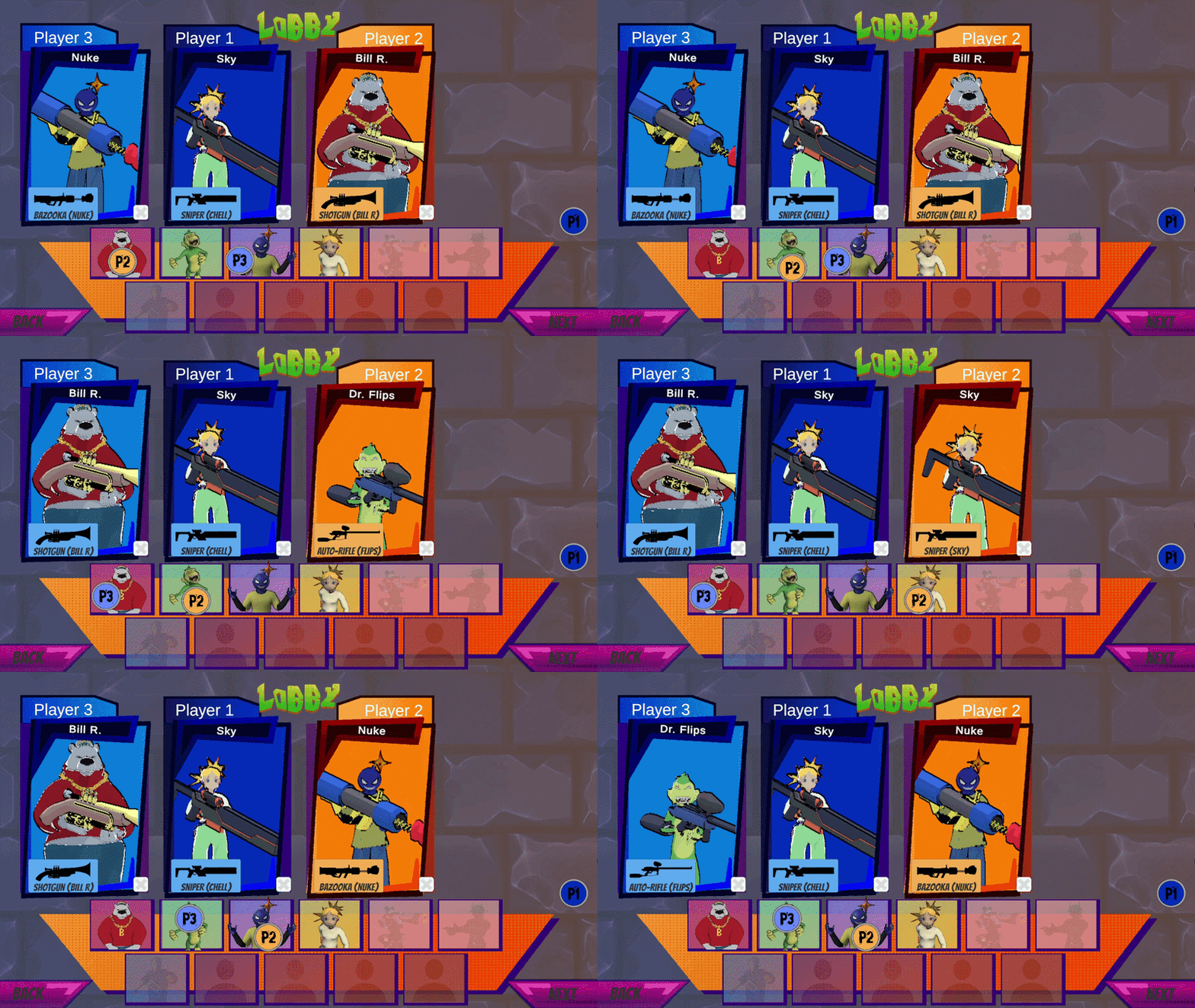
While we had a really strong 3D art team, we were heavily lacking in the 2D art sector. Multiple playtesters informed us that the UI felt dull and did not match the overall feeling of the game. To address this, we brought on a new 2D artist who immediately began creating new buttons, borders, and menus. They recreated almost every single art asset, truly bringing the game to life. The difference between the initial and final UI is night and day. The 2D art in Volley Guns finally matched the quality of the 3D art, allowing the 3D artists to focus on their tasks without worrying about the 2D side.
Challenge Three: Life
Now that we were out of school, the guaranteed 10-20 hours per week drastically dropped off. While we still had weekly meetings, check-ins, and work, the overall effort put into the project declined. This was to be expected, but it was still challenging to navigate. It became much harder to hang out in person, as many of us scattered to different parts of Michigan. We were still able to events, but they became more sparse. Meeting times also needed to change, as many members had jobs, and in some cases, their time zones changed. We did get to play more games as a group, including many of the Discord games. Some of us also became really into Geo Guesser and the game Muck.
Steam & Next Fest
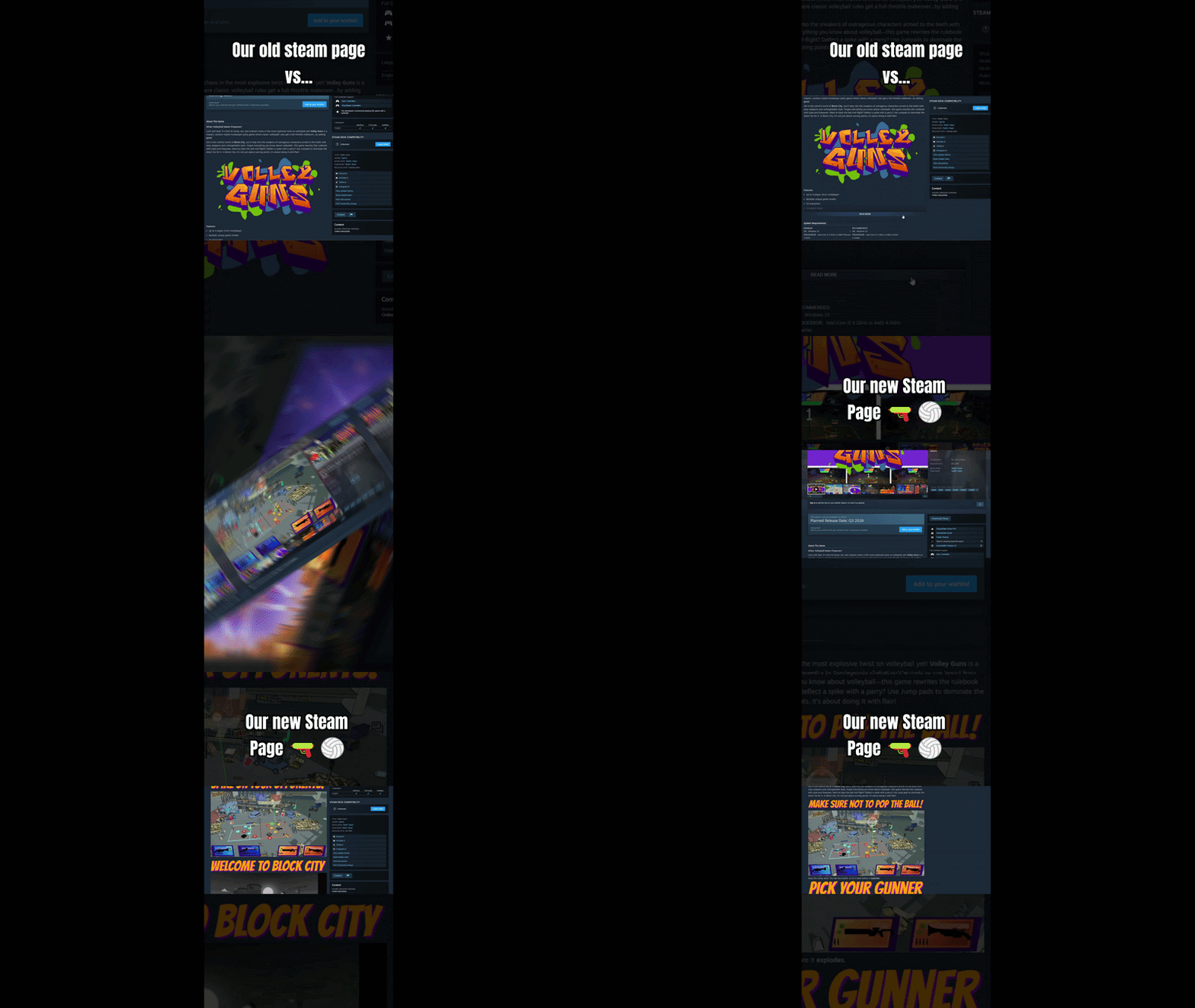
This was our first time releasing a game on Steam. We had no clue what the difference was between launching here and launching on platforms like Itch or Game Jolt. Once we entered Steamworks, we were introduced to many tasks, such as getting a company bank account, obtaining specific screenshots and trailers, and making builds to upload through the SDK. We also needed to create multiple pages for the main game, demo, soundtrack, and supporters pack. Additionally, we had to write new scripts for Unity to ensure it connects to Space War for testing. We also opted into Steam Next Fest, which gave us our first real taste of what launching entails. We learned many lessons from this process, and I am very glad we pursued this path.
Social Media
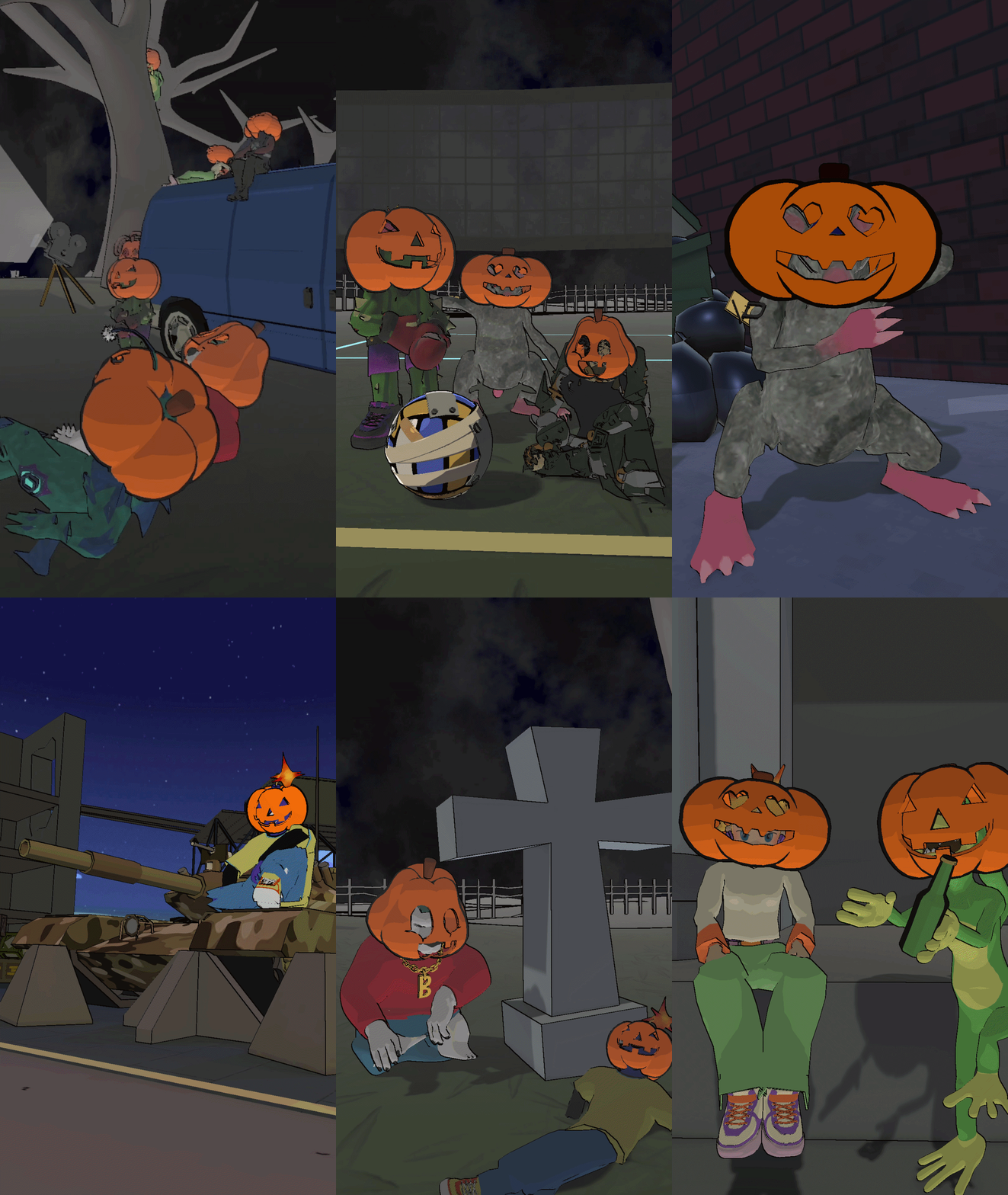
Here’s the revised text with corrected grammar and spelling: We also decided to create Instagram, YouTube, and TikTok accounts. We made small devlogs and random videos our characters dancing. Eventually, we tried doing a series about adding random game objects into our scene until our artist returned from vacation. This took a lot of time, but it was worth it. We gained many likes and views from the series, totaling over 150,000 views and more than 3,000 likes. One thing I learned is that people enjoy series, and they also appreciate easily digestible information that has a strong hook in the first two seconds. I am excited to hone my craft by creating new and exciting videos.
Final statements
This project has taught me the most about game development and production out of all the projects I've worked on. From steam publishing to dealing with stress from deadlines Volley Guns was a long rewarding journey. I am very grateful to my amazing team for putting in amazing work over the 1.5 years. I'll take the lessons I've learned from this game onwards for the rest of my career.
What I learned
-
Understanding technical debt can really slow down production, and knowing when to scrap things and restart.
-
Plan for the unexpected worst case scenarios. Things will go wrong, so have a back up plan.
-
Playtesting is key to discover bugs, learn what works, and understand other perspectives.
-
Creating an online game comes with many challenges, so expect development to take much longer.
-
Social media is a very strange and unique world. Learning algorithms, community management and engagement is rewarding.
-
Publishing a game on steam requires a lot of waiting, creating builds, screenshots, and trailers.